Postpartum Body Image: Making Peace With Your Changed Body
You stand in front of the closet, staring at clothes that fit a body you no longer have. You grew and birthed a human being, and somehow the loudest thought in your head is about the way your stomach looks in a t-shirt.
Quick Answer: Postpartum body image struggles are extremely common and stem from a sudden, dramatic physical change happening alongside major hormonal and identity shifts. These feelings are not vanity, and they are not something to push through alone. A client centered, DBT informed approach can help you build a kinder relationship with your body during this transition.
Why This Hits So Hard After Baby
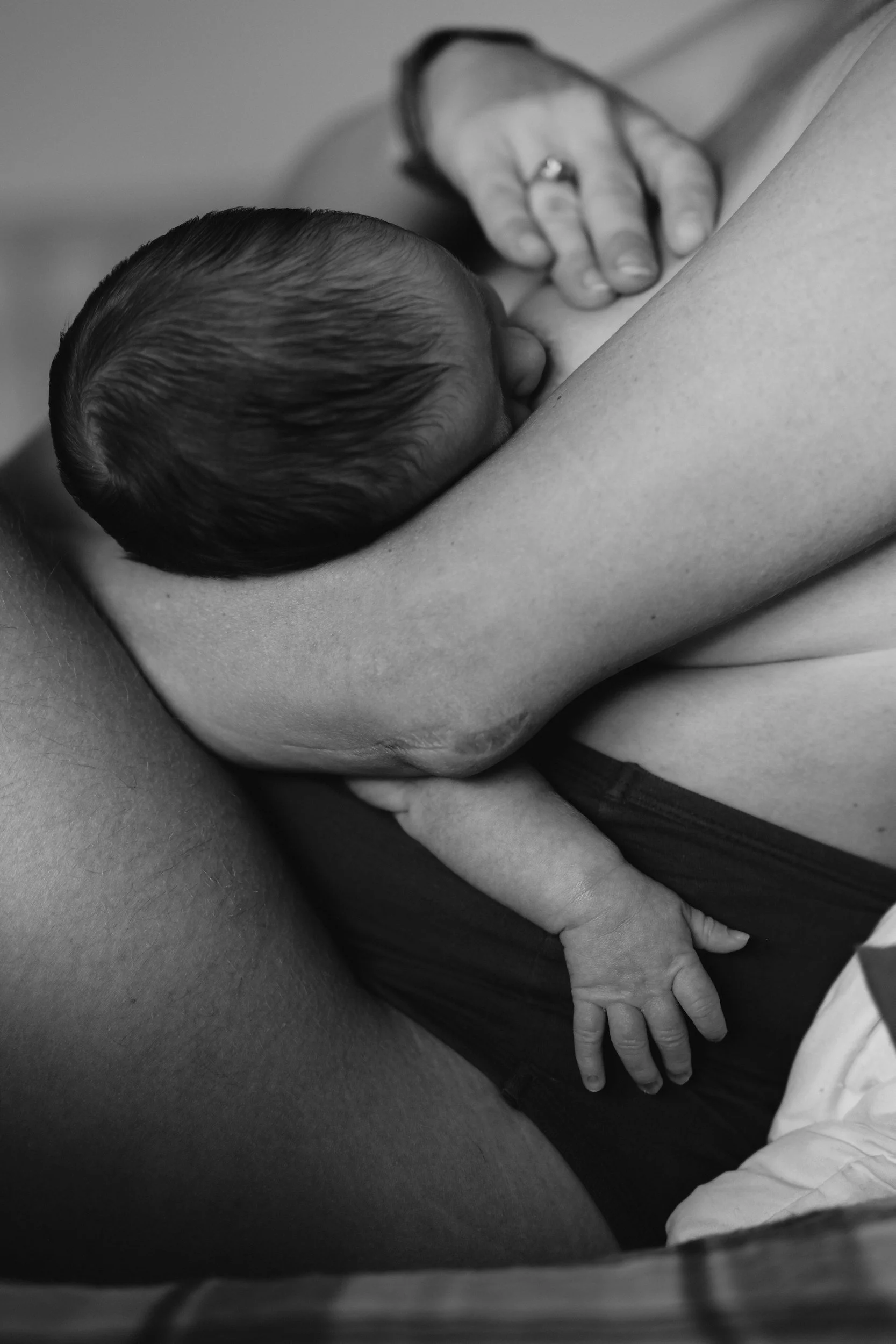
Your body changed faster and more visibly than almost anything else in your life has ever changed, and it did so during a season when you have little time or energy to process it. Culture adds pressure on top of that, with images everywhere implying that mothers should return to their previous shape within weeks. Meanwhile you are also managing feeding, sleep loss, and a newborn who needs you constantly, which leaves almost nothing left for self care or reflection.
Many mothers feel caught between two conflicting messages. One says to love and honor what your body just accomplished, and the other says to fix or shrink it as quickly as possible. Holding both of those messages at once creates real internal tension.
What These Struggles Actually Look Like
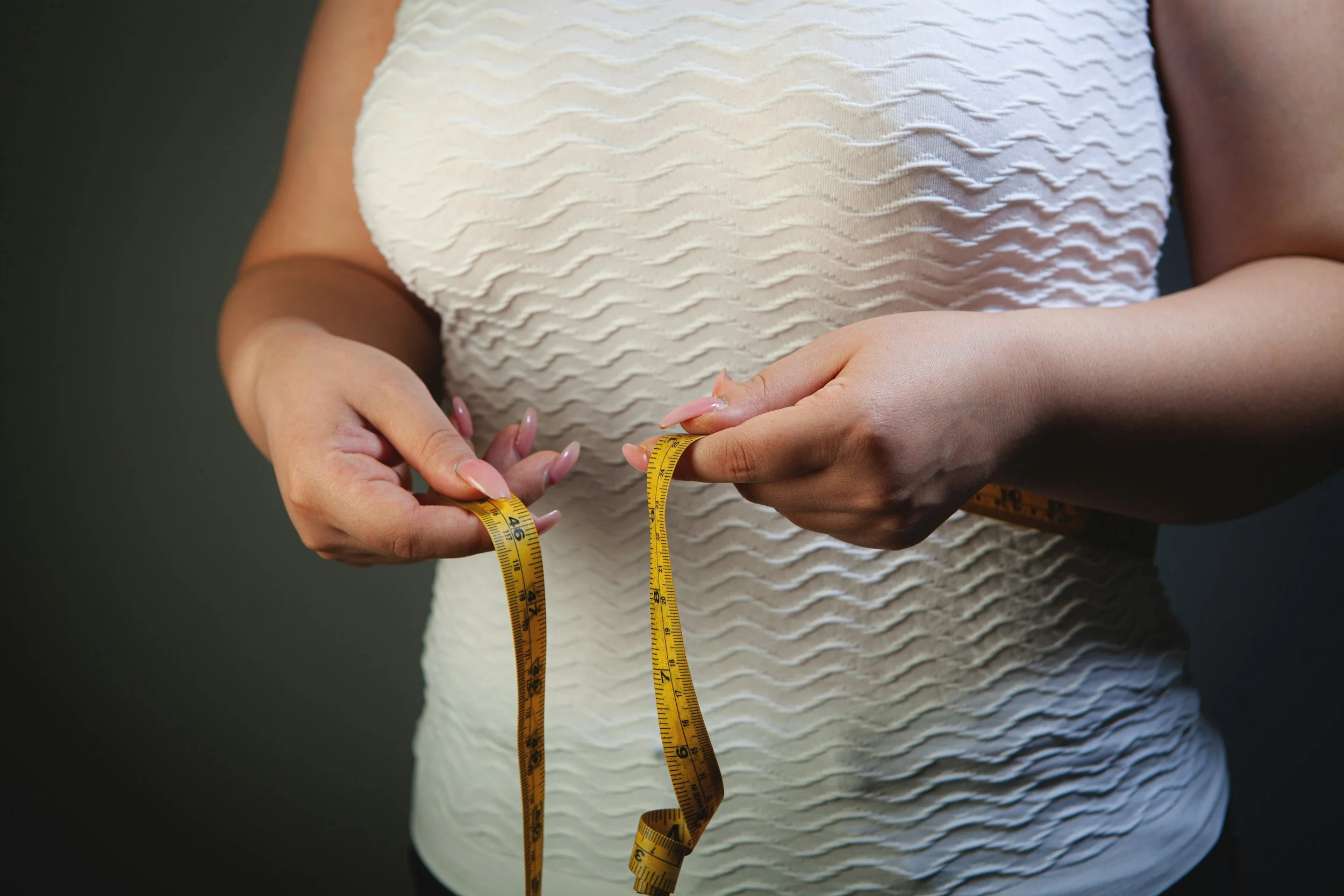
Body image struggles after baby rarely show up as simple vanity. More often they look like avoiding mirrors, dreading being photographed with your baby, or feeling disconnected from a body that now feels unfamiliar. Some mothers describe grief for their previous body, even while feeling guilty for grieving something that feels trivial compared to having a healthy baby. Others notice their self worth tightening around their appearance in a way it never did before.
Building a Kinder Relationship With Your Body
Small shifts in language and focus tend to matter more than any physical change. Noticing what your body can do, such as carrying and feeding your baby, often creates more relief than focusing on how it looks. Choosing a few comfortable, well fitting clothes for this season, rather than waiting to fit into old sizes, removes a daily source of discomfort. Limiting exposure to images that fuel comparison, even temporarily, gives your nervous system room to settle. Speaking to yourself the way you would speak to a close friend in the same situation interrupts the harsher inner voice that tends to take over during this stage.
How Therapy Helps
At Mindful Transitions Therapy, I use DBT skills alongside a client centered, humanistic approach to help mothers work through body image distress without judgment. DBT offers concrete tools for managing painful thoughts about your body as they arise, rather than getting pulled into a spiral. The client centered piece means we explore what your body means to you now, on your terms, rather than measuring you against an outside standard.
FAQ
Is it normal to struggle with body image after having a baby?
Yes, it is one of the most common experiences new mothers report. A sudden physical change, cultural pressure, and depleted energy all combine to make body image distress very likely during this period.
How long do postpartum body image struggles usually last?
There is no fixed timeline, and it varies by person. Many mothers notice the intensity easing over the first year as hormones stabilize and daily life becomes more predictable, though for some the struggle lingers longer without support.
Can postpartum body image issues turn into something more serious?
For some mothers, these struggles can overlap with disordered eating patterns or significant anxiety. If you notice restrictive eating, excessive exercise, or persistent distress, speaking with a professional is worth doing sooner rather than later.
What can I do when I feel triggered by a photo of myself?
Pausing before reacting, naming the feeling out loud, and redirecting attention to something your body did recently, such as comforting your baby, can soften the spiral. Over time, therapy can help these moments trigger less intensely.
Does therapy for body image mean focusing only on my body?
No. Sessions typically explore the broader identity shift happening alongside the physical change, since the two are closely connected for most new mothers.
If your body has become a source of daily distress since having your baby, you do not have to sort through that alone. I would be glad to talk with you about what support could look like.
Taylor Wikel, LMFT, is the founder of Mindful Transitions Therapy in Temecula, CA, where she supports new mothers through body image struggles, anxiety, and the broader transition into motherhood. Visit mindfultransitionstherapy.com to learn more.