Birth Trauma and Difficult Recoveries: When Your Birth Didn’t Go as Planned
You are weeks past delivery and you still replay it: the beeping monitors, the sudden rush of people into the room, the moment you realized nothing was going the way you pictured. Everyone keeps telling you that the important thing is that you and the baby are okay, and you nod along while something inside you feels very much not okay.
Quick Answer: Birth trauma is real, and it is defined by how the experience felt to you, not by a medical checklist. A healthy baby does not erase what you went through, and lingering fear, flashbacks, or numbness are common responses that can be treated. A client centered, DBT informed approach can help you feel safe in your body and your story again.
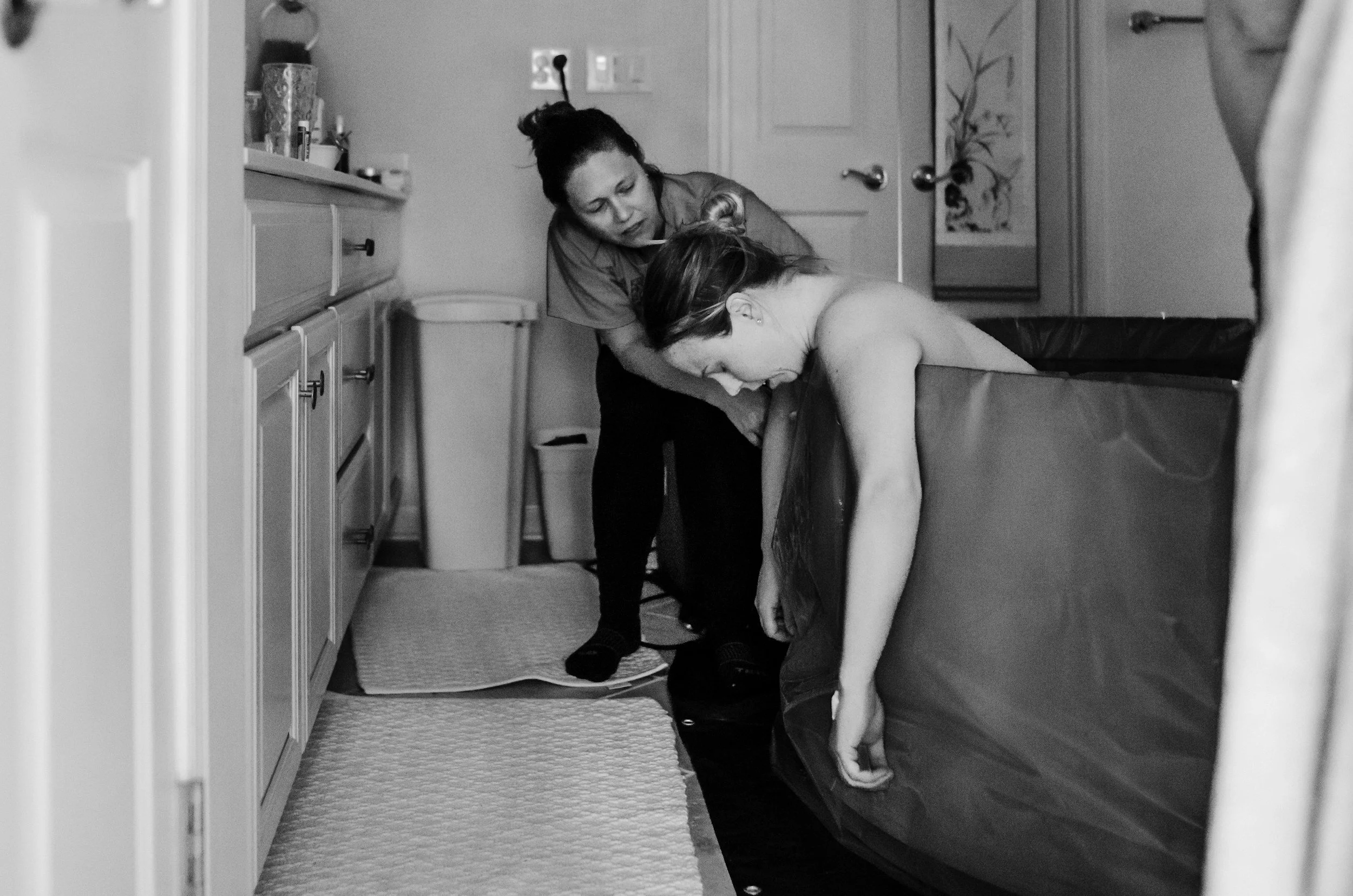
Why a Hard Birth Can Leave Such a Mark
Birth is one of the most intense experiences a body and mind can go through, and when it involves fear, pain, loss of control, or a sense that you or your baby were in danger, your nervous system may stay on high alert long after you are home. Meanwhile you are expected to be recovering, feeding, and bonding, often on very little sleep, which leaves almost no room to process what happened.
Many mothers also feel pressure to be grateful, which can make it hard to admit they are still hurting. Holding gratitude for your baby and pain about your birth at the same time creates real internal tension, and neither feeling cancels out the other.
What Birth Trauma Actually Looks Like
Birth trauma does not always look like what people expect. For some mothers it shows up as flashbacks or vivid memories that arrive out of nowhere, or nightmares that go beyond normal newborn sleep disruption. For others it looks like avoiding reminders, such as the hospital, the OB’s office, or even conversations about the birth. You may feel jumpy and on guard, emotionally numb, or distant from your baby or your own body. Intense anger, guilt, and shame are common too, along with frightening, unwanted thoughts.
These reactions are your mind and body trying to make sense of something overwhelming. They are not signs that you are weak or failing at motherhood.
When Recovery Is Hard Too
Sometimes the emotional impact is tied up with a difficult physical recovery, such as an emergency C-section, serious tearing, heavy bleeding, pelvic floor problems, or pain that lingers for weeks. Healing a body while caring for a newborn is exhausting, and it can stir up grief about the birth and early weeks you hoped for.
That grief often goes unspoken because it feels like it should not be allowed. You can love your baby deeply and still mourn the experience you wanted. If your physical recovery is not progressing the way you expected, or if pain or other symptoms worry you, please check in with your medical provider as well.
Finding Steadiness After a Hard Birth
Small, gentle steps tend to help more than pushing yourself to move on. Telling your story to someone safe, at your own pace, often lightens its weight. Some mothers find it helpful to review their birth records with their provider and have their questions answered. When memories hit, grounding skills such as slow breathing, noticing five things you can see, or holding something cool can bring you back to the present. Connecting with other mothers who have been through something similar, including peer groups through Postpartum Support International, can ease the isolation. Most importantly, healing does not follow a schedule, and you are allowed to take as long as you need.
How Therapy Helps
At Mindful Transitions Therapy, we use DBT skills alongside a client centered, humanistic approach to help mothers work through the emotional aftermath of a hard birth. DBT offers concrete tools for steadying your body and mind when painful memories or sensations surface, so they do not pull you under. The client centered piece means we go at your pace. You choose what to share and when, and we focus on helping you feel safe and understood rather than pushing you through anything before you are ready.
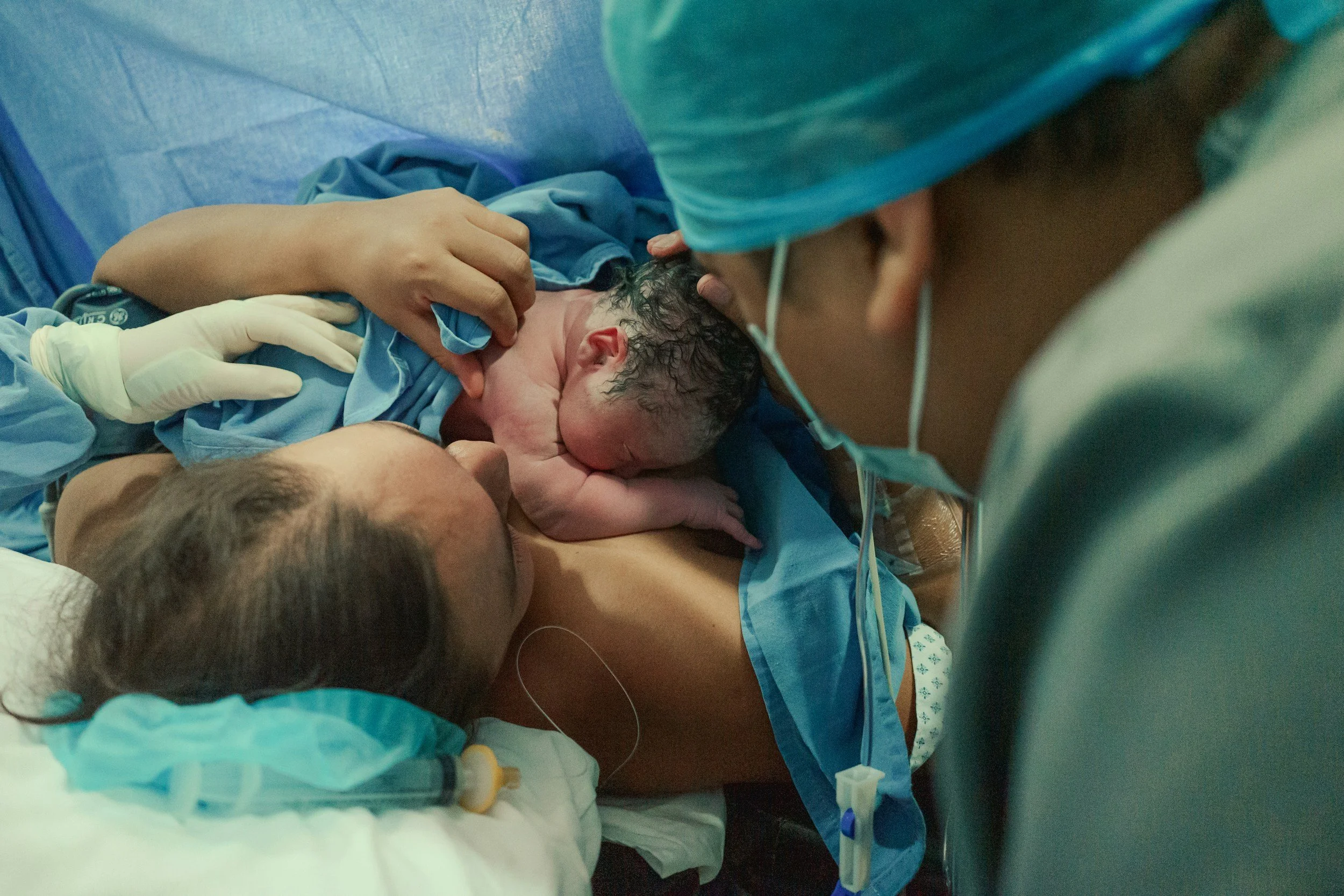
FAQ
What counts as birth trauma?
There is no checklist. A birth can feel traumatic if you were frightened, felt powerless, or believed you or your baby were in danger, even if the outcome was medically fine. What matters is how the experience affected you.
My baby is healthy. Why do I still feel so shaken?
A healthy baby is wonderful news, and it does not cancel out what you went through. You can feel grateful and still be hurting, and both deserve space.
Is birth trauma the same as postpartum depression?
They are different, though they can overlap. Birth trauma is a reaction to a frightening experience and may include flashbacks, avoidance, and feeling on edge. Postpartum depression involves persistent low mood, loss of interest, and exhaustion. Some mothers experience one, and some experience both.
Is it normal to have flashbacks or scary thoughts after birth?
Yes, both are common reactions after a frightening experience. If they are frequent or hard to manage, therapy can help you work through them.
How long does it take to heal from birth trauma?
It varies a great deal. Some mothers feel steadier within weeks, while others need longer, especially when physical recovery was difficult too. Symptoms that last beyond a month, or that interfere with sleep, bonding, or daily life, are a good reason to reach out.
Can birth trauma affect my relationship or how I feel about myself?
It can. Many mothers feel distant from their partner, disconnected from their body, or like a different person after a hard birth. Therapy can address these connected changes alongside the birth itself.
When should I get help right away?
If you ever have thoughts of harming yourself, call or text 988, or call the National Maternal Mental Health Hotline at 1-833-852-6262, available 24 hours a day. Please contact your medical provider for any physical symptoms that worry you.
What happens in therapy for birth trauma?
Sessions move at your pace, with a focus on building skills for feeling grounded and safe. We can talk through your birth story as much or as little as feels right, and work on how the experience is affecting your sleep, relationships, and sense of self.
If your birth left you feeling shaken, you do not have to sort through that alone. I would be glad to talk with you about what support could look like.
Taylor Wikel, LMFT, is the founder of Mindful Transitions Therapy in Temecula, CA, where she supports new mothers through birth trauma, postpartum anxiety and depression, and the broader transition into motherhood.